
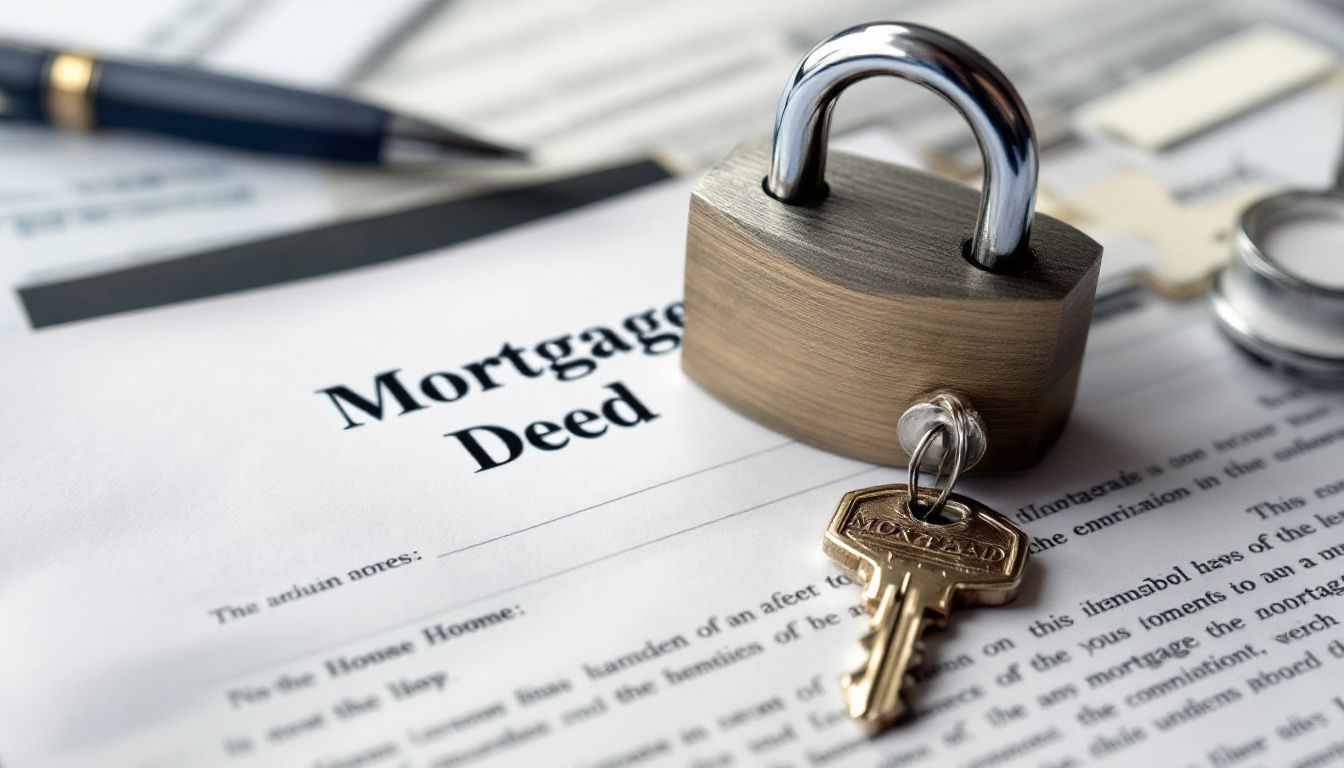
Paying off a home loan feels great, but what comes next? A key step is the discharge of mortgage. This blog will guide you through clearing your property title and releasing legal obligations.
Read on to learn more.
Key Takeaways
- Paying off your loan requires discharging the mortgage to clear the property title. This legal process involves filling out a form, paying fees, and submitting documents to the Registry of Deeds.
- Discharge of mortgage should happen after fully repaying the loan, when changing lenders, or before selling your property. Clearing the title is essential for smooth transactions and maintaining clear ownership.
- There are costs involved in the discharge process, including professional fees ranging from $200 to $800 and potential penalty fees for early repayment. Borrowers must anticipate these expenses.
- The timeline for discharging a mortgage varies by lender and local regulations. Starting this process promptly after paying off your loan avoids delays in clearing your property title.
- Professional help may be needed during this process. Lawyers or title companies can ensure accurate paperwork submission, helping to avoid common mistakes that delay title clearance.
What is a Mortgage Discharge?
A mortgage discharge is the legal process that ends a borrower’s obligation to repay a home loan. This process clears the property title, removing any claims the lender had against it.
Definition
A mortgage discharge releases the borrower from their loan obligation. This legal document confirms that the mortgage has been paid off and removes any claims against the property title.
After paying off a home loan, borrowers can request this document to clear their property title.
The process involves submitting a mortgage discharge form to the land title registry. This action clears any encumbrance from the property’s deed. Clearing your property title helps ensure full ownership without burdens from lenders.
Purpose
The purpose of discharging a mortgage is to release the borrower from their loan obligation. This process confirms that the homeowner has fulfilled their mortgage contract by paying off the debt completely.
Once discharged, homeowners gain clear property title and free themselves from any encumbrances associated with the mortgage.
Discharging a mortgage also protects lenders and ensures accurate records in land title registries. By issuing a legal document for mortgage satisfaction, all parties involved confirm that no further claims exist on the property.
This step is crucial when selling or refinancing as it clears previous debts tied to real estate assets.
Parties involved
Several parties work together during the mortgage discharge process. The borrower takes the lead in paying off their obligation. Lenders also play a crucial role by providing discharge documents after loan repayment.
They confirm that the borrower has completed all payments.
In some cases, legal representatives assist borrowers through this process. These professionals help ensure adequate paperwork is submitted to clear property titles effectively. The Registry of Deeds finalizes everything by recording the mortgage release.
Each party’s involvement ensures a smooth transition away from old obligations and clears any encumbrance tied to the property deed.
Process of Discharging a Mortgage
Discharging a mortgage involves several clear steps. Borrowers must fill out specific forms, pay required fees, and submit the documents to the Registry of Deeds.
Timing
Timing plays a crucial role in discharging a mortgage. You should begin the process right after paying off your loan. If you change lenders, complete this step promptly to clear any encumbrance on your property title.
Submit your discharge request before selling the property to ensure smooth transactions.
The timeline for releasing your mortgage varies by lender and local regulations. Staying informed about specific timelines can help avoid delays in clearing your property title. Keep an eye on any deadlines that might affect the legal document release or mortgage cancellation process.
Filling out the form
Filling out the discharge form is a crucial step in the mortgage clearance process. Begin by obtaining the correct form from your lender or local Registry of Deeds. This document typically includes your name, loan number, and property details.
Accurate information helps ensure a smooth processing experience.
Next, you will need to sign the form to confirm that you are releasing yourself from any loan obligation. Your lender must also sign as they acknowledge repayment completion. After completing this form, keep copies for your records before moving on in the release process.
Properly filling out and submitting this paperwork plays a vital role in clearing your property title effectively.
Paying fees
Discharging a mortgage involves some fees. Lenders often charge fees to process the loan discharge. These professional fees can vary based on the lender and the complexity of your situation.
You may also face penalties if you pay off your mortgage early. This is common in certain home loans, so check your agreement carefully. Paying these fees promptly helps ensure a smooth mortgage payoff process and clears your property title efficiently.
Submitting to the Registry of Deeds
Submitting to the Registry of Deeds completes the mortgage discharge process. This step officially clears the property title. You must file the necessary paperwork with your local registry office.
This submission includes documents that confirm you have fulfilled your mortgage contract.
Make sure to pay any required fees when submitting these documents. The fees vary by location, so check with your county’s regulations for specific amounts. Properly filing ensures that lenders release their claims on the property and signals that you are free from loan obligations.
Once recorded, it updates public records to reflect the removal of encumbrance from your property deed release.
When Should a Mortgage be Discharged?
After you pay off your loan, discharge your mortgage to clear the property title. You should also consider discharging if you’re switching lenders or planning to sell your home.
After paying off the loan
Once you pay off your loan, it’s crucial to discharge the mortgage. This step clears the property title and releases you from the mortgage agreement. Lenders will provide a discharge document confirming that you no longer owe money on your home loan.
Securing a mortgage lien release is vital for homeowners. Without it, potential buyers might hesitate if they see an active lien on the property. Ensure you file this document with the land title registry promptly to maintain clear ownership of your home.
Changing lenders
Changing lenders can be a smart move for many homeowners. This process often arises during refinancing. Homeowners seek better interest rates or loan terms that suit their financial needs.
To change lenders, you must discharge your existing mortgage. Clearing the property title is essential for this step. The obligation release allows you to transition smoothly to a new lender without complications.
Following these steps can ultimately lead to significant savings on your home loan discharge.
Before selling the property
Discharging a mortgage is crucial before selling your property. You must fulfill your mortgage contract and clear the title for the sale to proceed smoothly. Buyers want assurance that no loan obligations remain on the property.
Contact your lender early in the process. They will guide you on clearing the mortgage and releasing you from the agreement. Pay any necessary fees to complete this step, ensuring a smooth property title release during negotiations with potential buyers.
Cost of Discharging a Mortgage
Discharging a mortgage can involve several costs. Borrowers should expect to pay professional fees and potential penalty charges during this process.
Professional fees
Professional fees can vary significantly when discharging a mortgage. Lenders often charge these fees for processing the discharge documents. In some cases, you might need to hire an attorney or a title company to handle the paperwork.
These professionals ensure that your property title clearance goes smoothly.
Fees usually range from $200 to $800 depending on the state and complexity of your case. Some lenders may also impose additional charges as part of their discharge process. Always check with your lender about any potential costs associated with home loan removal or releasing yourself from the mortgage agreement before proceeding.
Penalty fees
Penalty fees can arise during the process of discharging a mortgage. Lenders may impose these fees if you pay off your loan early. This penalty exists to protect their interests, as they lose potential interest income.
Penalty amounts vary widely based on the lender and specific loan terms.
Understanding these costs is crucial. They impact your overall financial plan when considering a refinancing process or fulfilling your mortgage contract. Before making decisions, assess any potential penalties carefully.
These fees can affect the total cost of clearing property titles and releasing borrowers from mortgage agreements.
Conclusion
Discharging a mortgage clears your financial obligations. This process releases you from the mortgage agreement. You make this happen by following specific steps. Timely completion ensures smooth property transactions.
Understanding these steps empowers your financial decisions and strengthens your future plans.
FAQs
1. What is the process of discharge of mortgage?
The process of discharge of mortgage involves fulfilling the mortgage contract and releasing the borrower from their loan obligation.
2. How does a borrower get released from a mortgage agreement?
To be released from a mortgage agreement, the borrower must fulfill all terms in their contract, which typically means paying off their loan in full.
3. Why is land title registry important in discharging mortgages?
The land title registry records changes to property ownership, including when borrowers are discharged from mortgages. It’s an essential step in this process.
4. Can you explain what fulfillment of a mortgage contract means?
Fulfillment of a mortgage contract refers to when all obligations under that agreement have been met by the borrower, leading to release from the loan obligation.