
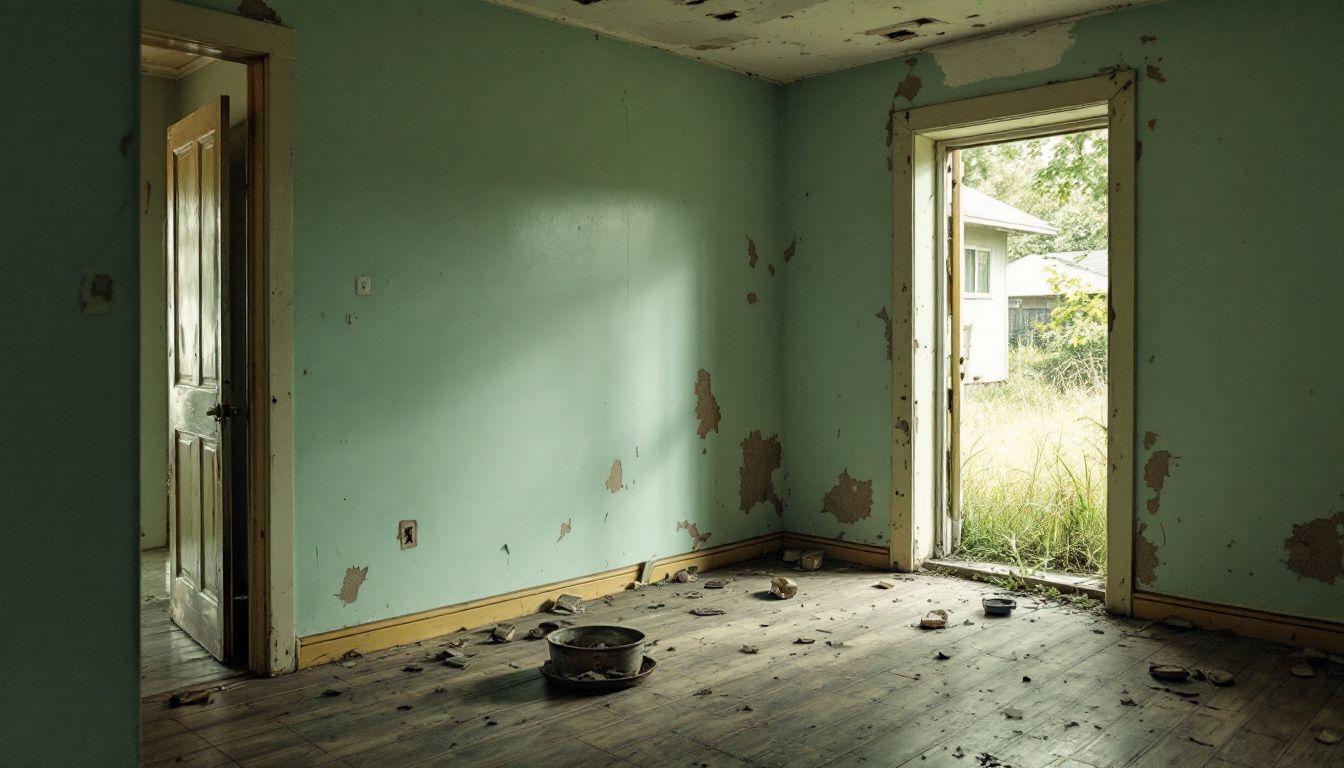
Many people want to buy homes but have no money. Foreclosed homes can be a good solution. This guide shows how to buy foreclosed homes with no money in six steps. Read on for success tips.
Key Takeaways
- You can find distressed properties by searching online listings, talking with real estate agents, or exploring neighborhoods. Public records also show homes in foreclosure.
- Connecting with a mortgage lender helps you learn about financing options for buying foreclosed homes. They offer insights on distressed properties and programs for buyers with bad credit.
- Drafting a detailed purchase agreement is key when buying a foreclosed home. This official document outlines the sale terms and should include any conditions like financing or repairs.
- Several financing options are available for purchasing foreclosed homes without money down, including government loans like FHA and USDA loans, renovation loans, HELOCs, and hard money loans.
- Negotiating directly with homeowners facing foreclosure can sometimes lead to securing bank-owned homes below market value before they go through the formal foreclosure process.
Understanding Foreclosed Homes
Foreclosed homes are properties that banks or lenders reclaim after owners fail to make mortgage payments. The foreclosure process involves the lender taking back the home and selling it to recover their losses.
What is a foreclosed home?
A foreclosed home is a property that a bank or lender takes back after the homeowner fails to make mortgage payments. Lenders initiate the foreclosure process when homeowners default on their loans.
The bank typically sells these homes at real estate auctions or through listings.
These properties often come with significant discounts, attracting buyers looking for investment opportunities. Purchasing bank-owned homes can lead to great deals if buyers understand the risks and benefits involved.
Buyers should be aware that some foreclosures may require renovations, so understanding renovation loans for foreclosures becomes crucial in this process.
The foreclosure process
Foreclosure occurs when homeowners fail to make mortgage payments. Lenders take action and start the process to reclaim their properties. First, they issue a notice of default after several missed payments, typically around three months.
This notification alerts the homeowner about their situation and gives them time to make payments or negotiate alternatives. If this fails, lenders proceed with foreclosure.
The next step involves a public auction of the property. During this event, potential buyers can bid on bank-owned homes that were not sold during earlier attempts to recover losses.
Winning bids often result in purchasing distressed properties at lower prices than usual market rates. Once purchased, new owners gain property ownership but may need extra funds for renovations if needed since many foreclosed homes sell „as-is.“ Understanding these steps in the foreclosure process aids buyers looking into using government aid for buying foreclosed homes effectively.
Pros and Cons of Buying Foreclosed Homes with No Money
Buying foreclosed homes with no money can bring great advantages. You can acquire properties at lower prices, but be cautious of potential risks that come with these deals.
Benefits of buying with no money
Purchasing a foreclosed home with no money can offer exciting advantages. Many people find this approach appealing for various reasons.
- Lower initial investment reduces financial strain. You avoid hefty down payments, which enables you to focus on other expenses.
- Great opportunities exist in distressed properties. Buyers can often land homes below market value, leading to significant savings.
- Increased flexibility in finances allows for better budgeting. You can allocate funds for renovations and repairs rather than tying them up in a down payment.
- Potential for high returns on investment arises from property flipping. Buying undervalued homes means that resale values can be much higher after improvements.
- Access to government loan programs eases the purchasing process and offers favorable terms, helping buyers without significant cash reserves.
- Improved credit scores become possible through creative financing options. Successfully buying foreclosures helps rebuild and enhance your creditworthiness over time.
Investing in bank-owned homes presents unique opportunities when done wisely. Each step taken can lead to successful ownership and financial growth in real estate ventures like these.
Risks and potential drawbacks
Buying foreclosed homes with no money can offer great opportunities, but it also carries certain risks and potential drawbacks. Understanding these can help you make a more informed decision.
- Limited financing options may arise. Many lenders hesitate to finance properties in poor condition or those that lack insurance. This restriction can limit your choices when seeking a loan for purchasing foreclosed homes.
- Hidden repair costs often come into play. Foreclosed homes may have significant damage that needs fixing. Buyers might underestimate the financial burden of repairs once they take possession.
- Complicated purchase agreements may occur frequently. These contracts can include unusual terms that require careful review. Failing to understand these details could lead to unfavorable conditions later.
- Competition from investors increases significantly in this market segment. Many experienced investors seek out bank-owned homes, often offering cash deals that first-time buyers cannot match.
- The risk of purchasing without inspections exists in many cases. Some buyers choose to skip property inspections due to tight budgets, which can lead to unexpected problems down the line.
- Potential legal issues may arise from previous ownership disputes or unpaid taxes linked to the property. Buyers should be aware of these possible complications before proceeding with a purchase agreement.
- Market fluctuations present additional challenges for buyers of distressed properties. Changes in real estate trends may affect the value of your investment and create uncertainty around future returns.
- Emotional attachment can cloud judgment during negotiations on lowball offers on foreclosed properties. This emotional factor might cause you to overlook critical aspects of the transaction process and make hasty decisions.
6 Steps to Buying a Foreclosed Home with No Money
To purchase a foreclosed home without spending money upfront, follow these six clear steps. Each step guides you through finding properties, negotiating with lenders, and securing the best deal for your future home.
Find distressed properties
Finding distressed properties is key to buying foreclosed homes with no money. Look for homes that show signs of neglect or abandonment. You can often find these houses through online listings, local real estate agents, or even by driving around neighborhoods.
Check public records for information on properties in foreclosure status.
Search for bank-owned homes and uninsured status foreclosures as they frequently sell below market value. Many homeowners facing financial hardship may abandon their homes before the foreclosure process finishes.
Visiting auctions can also reveal opportunities to purchase distressed properties at lower prices. Each potential property deserves careful evaluation to assess its condition and worth before proceeding further.
Contact mortgage lender
Connecting with a mortgage lender is essential. They can guide you through buying foreclosed homes with no money down. Lenders often have insights on distressed properties and bank-owned homes available in your area.
Discuss various financing options, such as FHA loans or hard money loans, that fit your situation. Ask about the requirements for purchasing bank-owned homes and any programs for buyers with bad credit.
Establishing a good relationship with the lender may help you secure favorable terms during the buying process.
Contact homeowners
Contact homeowners who face foreclosure to explore buying their property. Open communication can reveal valuable information about the situation. Many owners may be eager to sell quickly, especially if they want to avoid further financial loss.
Offer a fair price and show genuine interest in helping them out. Some homeowners might prefer a direct sale over going through the formal foreclosure process. This approach allows you to negotiate directly and potentially secure bank-owned homes for less than market value.
Draft purchase agreement
A purchase agreement outlines the terms of your deal to buy a foreclosed home. This document includes key details such as the property address, sale price, and closing date. Make sure to specify any contingencies that apply.
For example, you might include conditions for financing or repairs.
Seek assistance from real estate professionals if needed. They can help ensure your draft meets legal standards and protects your interests. After drafting the purchase agreement, both parties must sign it to make it official.
Being precise in this step helps pave the way for a smooth transaction when purchasing bank-owned homes with no money down.
Gain lender approval
Lender approval is crucial for buying foreclosed homes with no money. Lenders assess your financial status and loan application. They evaluate your credit history, income, and debts.
Buying foreclosed homes with bad credit may limit your options but not eliminate them.
Prepare necessary documents to support your application. Clear communication can help ease the process. You may need to explain any past mortgage defaults or other issues upfront. This honesty increases trust and smoothens lender relations, facilitating a better chance of securing financing for purchasing bank-owned homes.
Purchase the home
After gaining lender approval, you can proceed to purchase the home. Secure your financing plan first. This may include government loan programs or renovation loans. Make sure your offer is competitive but realistic.
Finalize all necessary paperwork. Include a purchase agreement outlining terms and conditions clearly. Ensure that you understand each part of the agreement before signing. If everything checks out, close the deal on this bank-owned home.
You are now one step closer to owning a distressed property!
Financing Options for Buying Foreclosed Homes
Financing options play a crucial role in buying foreclosed homes. Various loans can help you purchase these properties without initial cash outlay.
Government loan programs
Government loan programs offer great resources for buying foreclosed homes with no money. These programs help buyers secure funding for properties that banks own, known as bank-owned homes.
They include options like FHA loans and USDA loans, which often require little to no down payment.
FHA loans allow first-time homebuyers to purchase distressed properties with low closing costs. USDA loans cater to buyers in rural areas and also provide zero-down-payment opportunities.
Both these programs support those who might struggle to afford conventional mortgages, making it easier to enter the housing market and invest in purchasing bank-owned homes or other foreclosures.
Renovation loans
Renovation loans help buyers finance the cost of repairs for bank-owned homes. These loans cover both the purchase price and the renovation costs. Lenders typically assess the propertyâs value after improvements are made, allowing buyers to borrow more than what they might with a traditional loan.
Several programs exist for these loans, such as FHA 203(k) and Fannie Mae HomeStyle. Buyers can access funds through government loan programs that cater to distressed properties. These options make purchasing foreclosed homes easier, even without upfront cash.
Home equity lines of credit
Home equity lines of credit (HELOC) offer homeowners a flexible way to borrow money. This option allows you to tap into the value of your home. You can use a HELOC to buy foreclosed homes with no money down.
With these loans, lenders provide you access to funds based on your home’s equity.
The draw period usually lasts five to ten years. During this time, you can withdraw and repay as needed. After this period, repayment begins with fixed monthly payments. Homeowners often find HELOCs useful when purchasing bank-owned homes or distressed properties in need of renovation.
Choosing this financing option can help buyers successfully navigate the foreclosure process while minimizing upfront costs.
Hard money loans.
Hard money loans provide quick cash for buying distressed properties. Investors often use these loans to acquire bank-owned homes or foreclosures. Unlike traditional lenders, hard money lenders focus on the property’s value rather than your credit score.
These loans typically have higher interest rates and shorter terms.
Expect to pay between 8% and 15% in interest for a hard money loan. Financing through this method can help you purchase real estate without using your own cash upfront. Many experienced investors favor hard money loans because they offer fast access to funds when time is crucial in securing foreclosed properties.
Conclusion
Buying a foreclosed home with no money is possible. Follow the six steps outlined above for success. Focus on finding distressed properties and connecting with lenders. Take advantage of various financing options available.
With diligence and strategy, you can secure your dream home without upfront cash.
FAQs
1. What does it mean to buy a foreclosed home with no money?
Buying a foreclosed home with no money refers to purchasing bank-owned homes without initial capital, using specific home buying strategies.
2. How can I understand the foreclosure process?
Understanding the foreclosure process involves learning about how banks repossess properties when homeowners default on their mortgages, and how these properties become available for purchase.
3. Where can I find uninsured status foreclosures?
You can find uninsured status foreclosures through public records, real estate websites, or by working with a realtor who specializes in this type of property.
4. What are some pros and cons of purchasing foreclosed properties?
The pros of purchasing foreclosed properties include lower prices and the potential for good investment returns. However, the cons may involve risks like hidden costs, competition from other buyers, and possible issues with the condition of the property.