
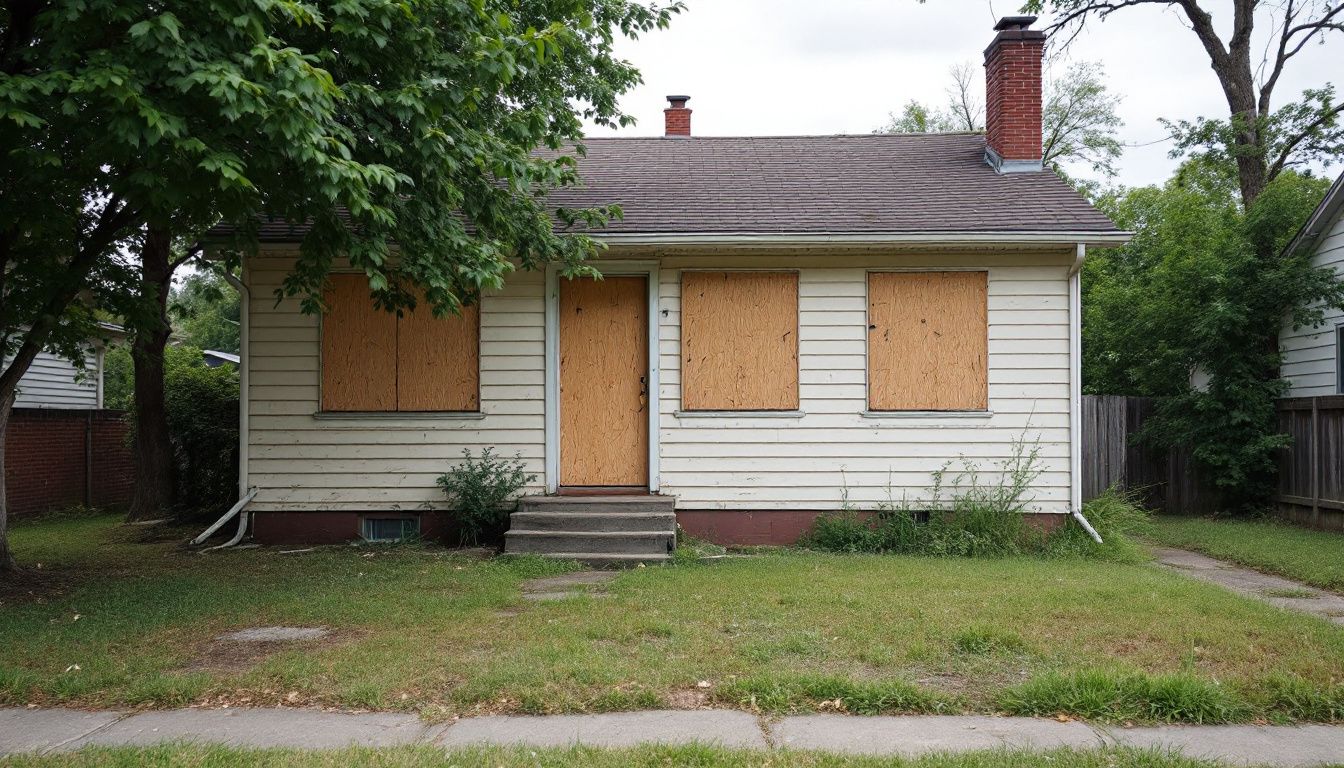
Missing mortgage payments is a common worry for homeowners. On average, lenders may start the foreclosure process after three to six missed payments. This blog will guide you through avoiding foreclosure and keeping your home.
Stay informed.
Key Takeaways
- Foreclosure can start after missing three to six months of mortgage payments. The process varies by state and lender, with some states like Texas allowing rapid foreclosures in as little as 27 days, while others like New York require court involvement that can extend the process to 445 days.
- Missing mortgage payments not only risks losing your home but also significantly damages your credit score. This damage affects future loan opportunities and contributes to a decline in the housing market by increasing the supply of homes for sale.
- Homeowners have several options to avoid foreclosure, such as loan modifications, forbearance agreements, and repayment plans. Early communication with lenders is key to accessing these alternatives.
- Government-backed programs and nonprofit organizations offer assistance for struggling homeowners. Housing counselors provide valuable advice on managing finances and navigating the foreclosure prevention process.
- Proactive measures like establishing an emergency fund, creating a strict budget plan, seeking professional advice from housing counselors or financial advisors, and considering government assistance programs are effective strategies for avoiding missed payments and foreclosures.
Understanding Foreclosure and Its Implications
Foreclosure occurs when lenders take back homes due to missed mortgage payments. Its effects can vary based on location and the specific lender, impacting your credit score and the wider housing market significantly.
What is foreclosure?
Foreclosure occurs when a lender takes back a home due to missed mortgage payments. This process happens after the homeowner defaults on their loan. Lenders may initiate foreclosure if borrowers fall behind on payments, typically after three to six months of delinquency.
State laws and lender policies influence how foreclosure unfolds. Some states follow judicial processes while others allow non-judicial methods. Missing mortgage payments not only risks losing your home but also impacts your credit score for years, affecting future financial opportunities in the housing market.
How does it differ by location and lender?
Foreclosure processes vary based on location and lender. Different states have unique laws, and lenders have their policies. Here’s a quick overview:
| Location | Lender Policy | Typical Timeline |
|---|---|---|
| Texas | Quick process due to non-judicial foreclosures | 27 days |
| New York | Judicial foreclosures, requiring court involvement | 445 days |
| California | Mix of judicial and non-judicial processes | 120 days |
| Florida | Strictly judicial foreclosures | 180 days |
| Bank of America | Varies, but offers assistance programs | Depends on the state |
| Wells Fargo | Offers loan modifications and payment plans | Depends on the state and case |
States like Texas allow lenders to move quickly on foreclosures, taking as little as 27 days. In contrast, New York’s process is more extended due to its requirement for court involvement, taking up to 445 days. California offers a blend, with both judicial and non-judicial routes, often concluding foreclosures within 120 days. Florida, adhering strictly to judicial proceedings, takes around 180 days.
Lenders like Bank of America and Wells Fargo have specific policies but generally provide assistance programs to help struggling borrowers. Their timelines can vary significantly based on the state the property is located and individual cases.
Impact on credit score and housing market
Missing mortgage payments significantly affects your credit score. Each late payment can drop your score by 100 points or more. Homeowners with delinquent mortgages often face higher interest rates on future loans.
This decline in creditworthiness makes it harder to secure favorable lending terms.
The housing market also suffers when many people default on their mortgages. Increased repossessions flood the market with homes for sale, driving down property values. Neighborhoods experience declines as foreclosures become common.
Mortgage arrears ripple through local economies and hinder homeownership opportunities for others.
How Many Missed Mortgage Payments Can Lead to Foreclosure?
Missing mortgage payments can trigger the foreclosure process. Generally, lenders may start foreclosure proceedings after a homeowner misses three to six months of payments.
General timeline for foreclosure to begin
Missing mortgage payments places homeowners in a precarious situation. Understanding the timeline for foreclosure is crucial to avoiding serious consequences.
- A homeowner usually faces foreclosure after missing three consecutive mortgage payments. This process can start as early as 90 days after the initial missed payment.
- Lenders typically send a notice of default after three months of non-payment. This document informs you about your missed payments and warns of potential legal actions.
- After six months of delinquency, lenders may begin the legal foreclosure process. At this point, they can initiate court proceedings or pursue auctioning off the property.
- Many states have a minimum waiting period before lenders can foreclose, ranging from a few weeks to several months. Local laws dictate these timelines and processes, varying by state.
- Homeowners often have options like mortgage assistance during this timeline, including forbearance plans or loan modifications to avoid losing their homes.
- Communication with your lender plays a critical role throughout this period. Engaging with them early on may lead to alternatives that prevent severe financial consequences such as foreclosure.
- Missing more than three payments puts homeowners at risk of significant credit score damage. Late payment reporting becomes common during this time and hurts overall credit health.
Proactive measures help maintain homeownership and financial stability during distressing moments like falling behind on mortgage payments.
Factors that can affect this timeline
Several factors influence the timeline for foreclosure after missed mortgage payments. The lender’s policies play a major role. Each lender has different rules regarding when they start foreclosure proceedings, which can range from 90 to 120 days after defaulting on your loan.
State laws also impact this process. Some states require judicial action, while others allow non-judicial foreclosures.
Your payment history matters too. Late mortgage payments increase the risk of foreclosure. If you have a record of consistent late payments or already face mortgage delinquency, lenders might act faster against you.
Financial hardship and communication with your lending institution can affect timelines as well. Open discussions about your situation could lead to options like repayment plans or mortgage forgiveness, helping you avoid the repossession process altogether.
What to Do If You Can’t Make Your Mortgage Payments
If you can’t make your mortgage payments, explore options for loan modifications or payment plans. Reach out to housing counselors who can offer guidance and support during tough times.
Options for loan modifications and payment plans
Loan modifications and payment plans can offer relief to homeowners struggling to make mortgage payments. These options may help you avoid foreclosure.
- A loan modification can change the terms of your existing mortgage. It may lower your interest rate or extend the loan term. This option makes monthly payments more manageable.
- Forbearance agreements allow you to pause your payments for a specific time. You must repay these missed payments later, usually in a lump sum or over time.
- A repayment plan enables you to pay back missed payments gradually. Lenders might add extra amounts to your regular payments until you’re caught up.
- Some lenders offer government-backed programs, such as HAMP (Home Affordable Modification Program). These programs aim to assist borrowers in financial hardship and provide better loan terms.
- Homeownership counseling can guide you through the options available for loan modifications and payment plans. Experts can help you understand your rights and responsibilities.
- Contacting your lender early is crucial when facing difficulties with mortgage payments. Open communication can lead to potential solutions before reaching foreclosure.
- Consider refinancing if you have equity in your home and qualify for better rates than those on your current mortgage. This move could save you money each month.
- Seek out local nonprofit organizations that specialize in foreclosure prevention assistance programs. They often provide resources and support tailored to individual situations.
- Explore state-specific programs aimed at preventing foreclosure, which may offer additional support or funds to assist struggling homeowners facing mortgage default situations.
Seeking help from housing counselors
Housing counselors provide valuable resources for those struggling with mortgage payments. They offer guidance and support to help you avoid foreclosure.
- Housing counselors can evaluate your financial situation. They assess your income, expenses, and debts. This evaluation helps identify available options.
- They can explain the foreclosure process in detail. Understanding this process allows you to make informed decisions about your mortgage.
- Counselors assist in creating a budget plan. A well-structured budget helps you manage your finances effectively.
- They may suggest loan modification programs. These programs can adjust your mortgage terms to make payments more manageable.
- Counselors often help negotiate with lenders on your behalf. Their expertise increases the chances of reaching a favorable agreement.
- They provide information on mortgage payment assistance programs. These programs may offer temporary relief during financial hardships.
- Housing counselors connect you to community resources and support groups. This network can provide further assistance and encouragement as you navigate challenges.
Seeking help from housing counselors empowers you to take control of your mortgage situation and avoid defaulting on mortgage obligations through proactive measures and informed choices.
Protecting Yourself from Foreclosure
Keep open lines of communication with your lender. They might offer solutions to help you stay on track with your mortgage payments.
Importance of communication with lender
Open lines of communication with your lender. This action can prevent misunderstandings and lead to solutions. Lenders appreciate proactive borrowers. They may offer loan modifications or other options if you reach out early.
Explain your situation clearly. Share any financial changes that impact your mortgage payments. Many lenders have programs to assist struggling homeowners. Staying in touch helps them understand your needs and keeps you informed about possible alternatives, allowing you to avoid foreclosure effectively.
How to get back on track with mortgage payments
Getting back on track with mortgage payments is crucial for avoiding foreclosure. Taking proactive steps can help you manage your finances effectively.
- Communicate openly with your lender. Reach out to them as soon as you face difficulties. Lenders often appreciate honesty and may offer assistance.
- Explore loan modification options. Many lenders provide programs that adjust your loan terms. This can lower your monthly payments and make them more manageable.
- Consider refinancing your mortgage. If interest rates have dropped, refinancing might reduce your payment amount. This option could save you money over the life of the loan.
- Create a strict budget plan. Review your income and expenses carefully to identify areas where you can cut costs. Use those savings to contribute toward your mortgage.
- Seek assistance from housing counselors or financial advisors. These professionals understand the challenges homeowners face and can provide guidance tailored to your situation.
- Look into government assistance programs. Various federal and state initiatives exist to help struggling homeowners avoid foreclosure.
- Set up an emergency fund if possible. Having some savings will give you a financial cushion during tough times, helping prevent missed payments.
- Prioritize mortgage payments over non-essential expenses. Keep in mind that paying your mortgage should be one of your first financial commitments each month.
- Stay informed about foreclosure laws in your area. Understanding local regulations will help you know what to expect if you miss payments.
- Make extra payments when feasible, even small amounts can add up over time, helping shorten the loan balance quicker and reducing interest costs in the long run.
Taking these actions can prevent missed payments and help steer clear of foreclosure efficiently while ensuring better management of personal finances overall.
FAQs
1. How many mortgage payments can I miss before facing foreclosure?
Typically, after missing three to four mortgage payments, the foreclosure process may begin. However, this varies depending on your loan terms and state laws.
2. What steps can I take to avoid foreclosure if I’ve missed a few payments?
To avoid foreclosure, you should contact your lender as soon as possible to discuss options such as loan modification or refinancing. You might also consider getting advice from a HUD-approved housing counselor.
3. Are there any resources available for understanding how to prevent foreclosure?
Yes, guides are available that provide comprehensive information about avoiding foreclosure, including understanding your rights and exploring alternatives like short sales or deed in lieu of foreclosure.
4. If my home is foreclosed upon due to missed mortgage payments, what happens next?
After a home is foreclosed upon because of missed mortgage payments, it’s typically sold at an auction by the bank or lending institution that holds the mortgage.